

Pre-Show Checklist for Actors: Voice, Body, and Focus in 20 Minutes
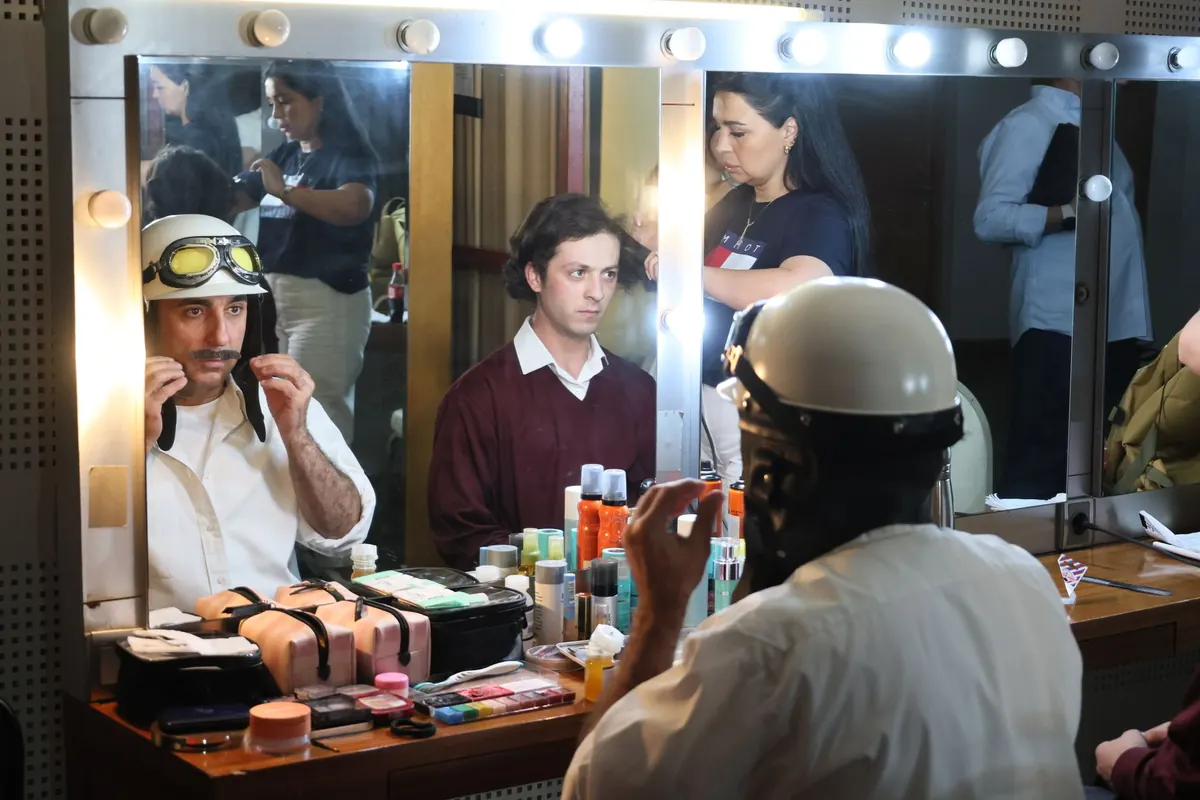
The call to places is twenty minutes away. You have a water bottle, a costume hanging on the rail, and a head full of notes from the last rehearsal. This is not the moment for a full second warm-up or a quiet panic in the corridor. It is the moment for a short, repeatable routine that gets your voice, body, props, and attention into the same room.
Twenty minutes is enough if you stop treating preparation as a performance in itself. The aim is not to feel perfect. The aim is to arrive at your first entrance awake, available, and clear about what happens next.
The Twenty-Minute Shape
Use a timer and keep the sequence roughly the same every night. Familiarity saves decision-making. If the show is physical, give the body a little more time. If it is text-heavy, protect a few extra minutes for speech. A workable shape looks like this:
- Minutes 0–6: Wake the voice gently: breath, hum, resonance, articulation.
- Minutes 6–12: Release the body: jaw, shoulders, spine, hips, legs, hands.
- Minutes 12–15: Check props, costume, quick changes, and entrances.
- Minutes 15–20: Settle focus: sensory check, first line, first cue, quiet.
Adjust the proportions, not the order. Props and focus should come late, because that is what you need closest to the entrance. Voice and body need a little runway before you ask them to work.
Voice: Wake the Instrument Without Wearing It Out
Start with breath and vibration, not volume. A backstage corridor is a bad place to prove how loud you can be. Hum gently on an m or n, let the lips buzz, and feel the sound in the face and chest rather than pushing it out of the throat. Glide up and down a little, but stay in a comfortable range. If a note feels scratchy, back off. Warm-up is information, not a test.
Breath and resonance
Take four slow breaths, letting the ribs widen rather than lifting the shoulders. Then hum a simple phrase from your text on one comfortable note. Speak the same phrase immediately afterward and notice whether the voice feels easier to place. Repeat with two or three phrases. The point is connection: breath, sound, words.
Articulation and text
Loosen the tongue and lips with a few exaggerated consonant exercises, then move straight into the opening page of your script. Overarticulate the consonants and let the vowels carry. Speak the first ten lines slowly, then once at performance speed. If you have a dialect or a demanding speech pattern, do a short focused pass rather than a full vocal workout. Save the heavy lifting for the stage.
Keep water nearby and sip rather than gulp. If you have persistent hoarseness, pain, or a voice problem that does not settle, speak to a qualified voice professional rather than pushing through. A warm-up is not a substitute for care.
Body: Release Before You Build
Actors often stretch hard when they are nervous, which can make tension worse. Release first. Stand with your feet roughly hip-width apart and let your weight settle. Roll the shoulders slowly, then let them drop. Shake out the hands and forearms. Bounce gently through the knees. You are looking for availability, not a workout.
Spine, shoulders, and jaw
Let the head nod slowly, not circle aggressively. Open the jaw with a soft sigh. Gently stretch the tongue and release it. If your character holds tension in the shoulders or jaw, you can add that tension later, deliberately. Do not arrive onstage already braced.
Hips, legs, and hands
Check where you are locking. Are the knees locked? Are the hips pushed forward? Are the hands clenched? A simple doorway stretch for the chest, a soft bend through the knees, and a few slow squats can do more than a long stretch routine. If you have an injury or a physical condition, follow the guidance of your own health professional and tell your stage management team what you need.
Props and Quick-Change Check
Prop checks are not only about whether an object exists. They are about whether it is in the right place, in the right state, and in the right order. Do this with the same attention you give to a scene. Pick each item up. Put it down where it belongs. Walk the first entrance that uses it.
- Prop table: Every item in its marked place, with consumables checked and spares where your production uses them.
- Personal props: Pockets emptied of anything that does not belong onstage; letters, phones, keys, and glasses checked.
- Quick changes: Costume pieces laid out in order, shoes paired, fastenings tested, and any help confirmed with dressers or stage management.
- Entrances: The first two or three entrances walked at least once, including the door you actually use and the hand you use to open it.
If something is missing, say so early. A quiet word to stage management twelve minutes before the half is useful. A discovery two minutes before an entrance is a crisis.
Focus: From Backstage Noise to Stage Attention
Focus is not blanking out the world. It is choosing what to attend to. Backstage will have chatter, footsteps, a monitor, a creaking rail, and someone looking for a missing shoe. You do not need silence. You need a way to point your attention.
Try a short sensory check. Feel both feet on the floor. Hear three distinct sounds without naming them as good or bad. Let one breath go a little lower than usual. Then say your first line quietly, not as a rehearsal, but as a doorway into the world of the play. Follow it with the first cue you need to hear or see. That is enough. You are not trying to remember the whole play; you are trying to meet the beginning.
If your mind is still racing, give it a simple task. Name three things you can see, two you can hear, and one you can feel. Then return to the first line. Repeat as needed. The goal is not to feel calm. The goal is to be here.
The Last Five Minutes
Stop warming up. Drink a little water. Put the script away unless you genuinely need it for a line check. Re-check the one prop or costume piece you know is easy to forget. Then stand in the wings or at your entrance point and let the room be the room.
Take one slow breath. Feel the floor. Hear the cue. Say your first line in your head or under your breath. When the call comes, walk on with the preparation behind you and the scene in front of you. The routine has done its job. Now the work belongs to the stage.
Photo: Tahir Xəlfəquliyev / Pexels